01
Context-aware spatial guidance
Designing adaptive information support that responds to task state, user proficiency, and evidence of uncertainty while preserving independent judgment.
- XR
- Task analysis
- Human performance
Spatial computing · Construction · Learning science
Assistant Professor of Construction Management
I develop systematic and adaptive ways to deliver task-critical information in three-dimensional spaces, helping people understand situations, act safely, and learn to reason independently.
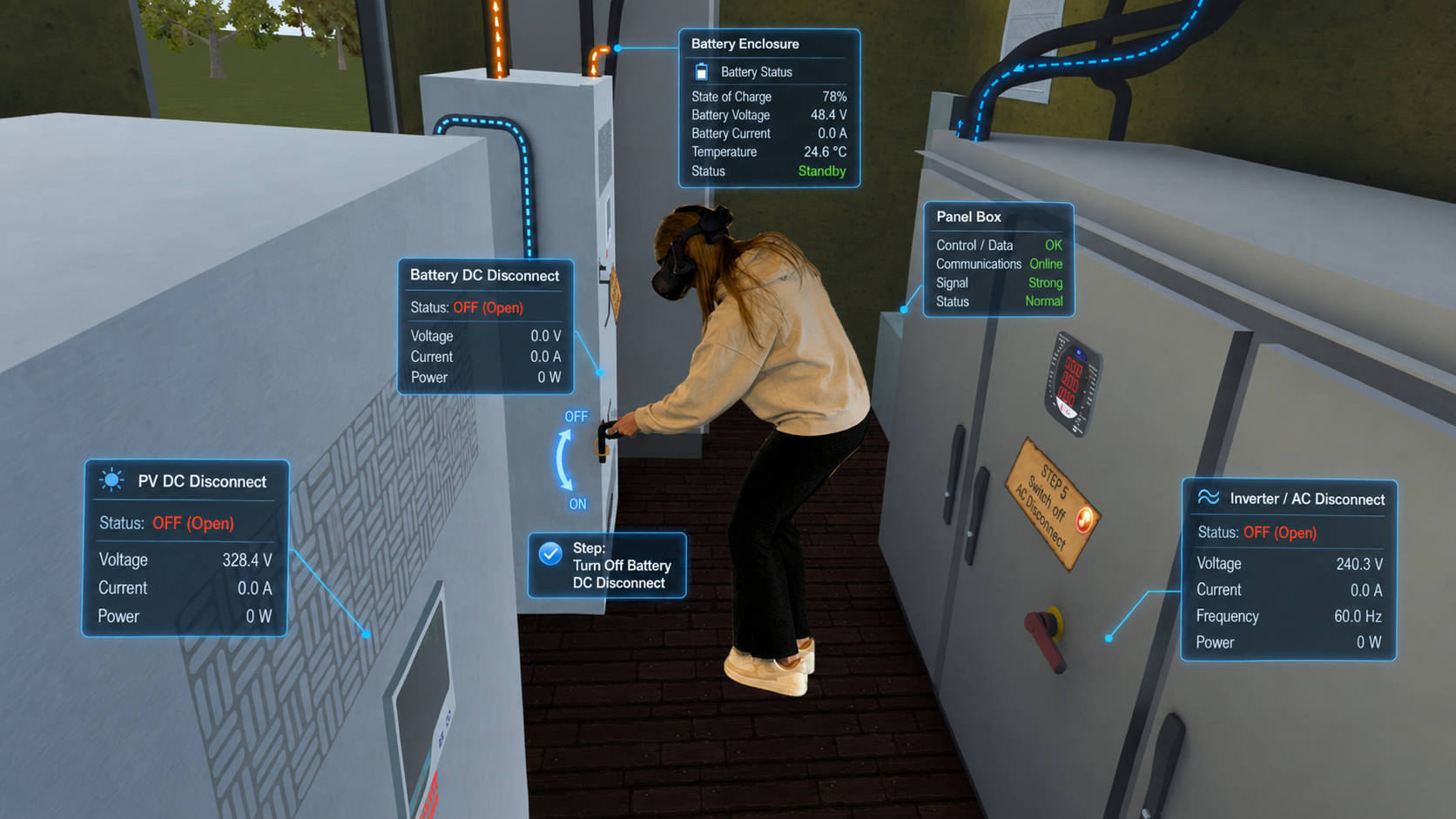
Research agenda
My work asks what information should be delivered, when, and in what form to support learning and performance in complex engineering tasks.
Designing adaptive information support that responds to task state, user proficiency, and evidence of uncertainty while preserving independent judgment.
Connecting physical observations, digital task models, and spatial interfaces to create interpretable feedback loops for construction learning and work.
Investigating how workers interpret robot intent, anticipate actions, and coordinate shared tasks through transparent spatial information.
Research in action
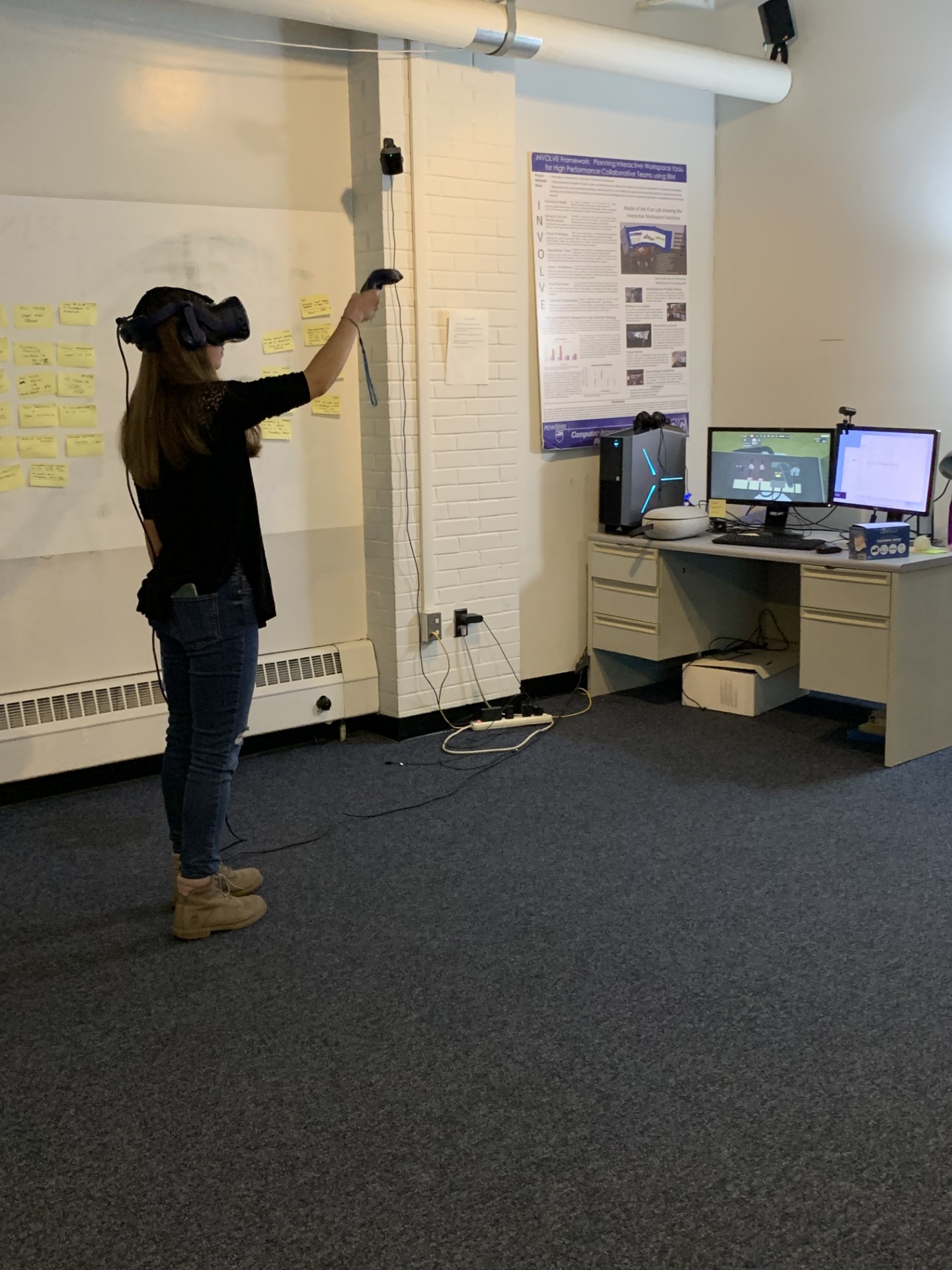
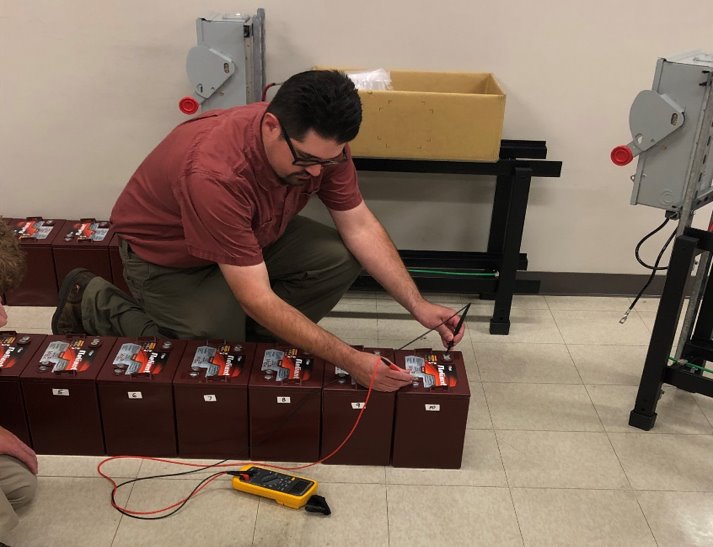
Experiments connect field practice, immersive simulation, and detailed analysis of how information changes what learners see and do.
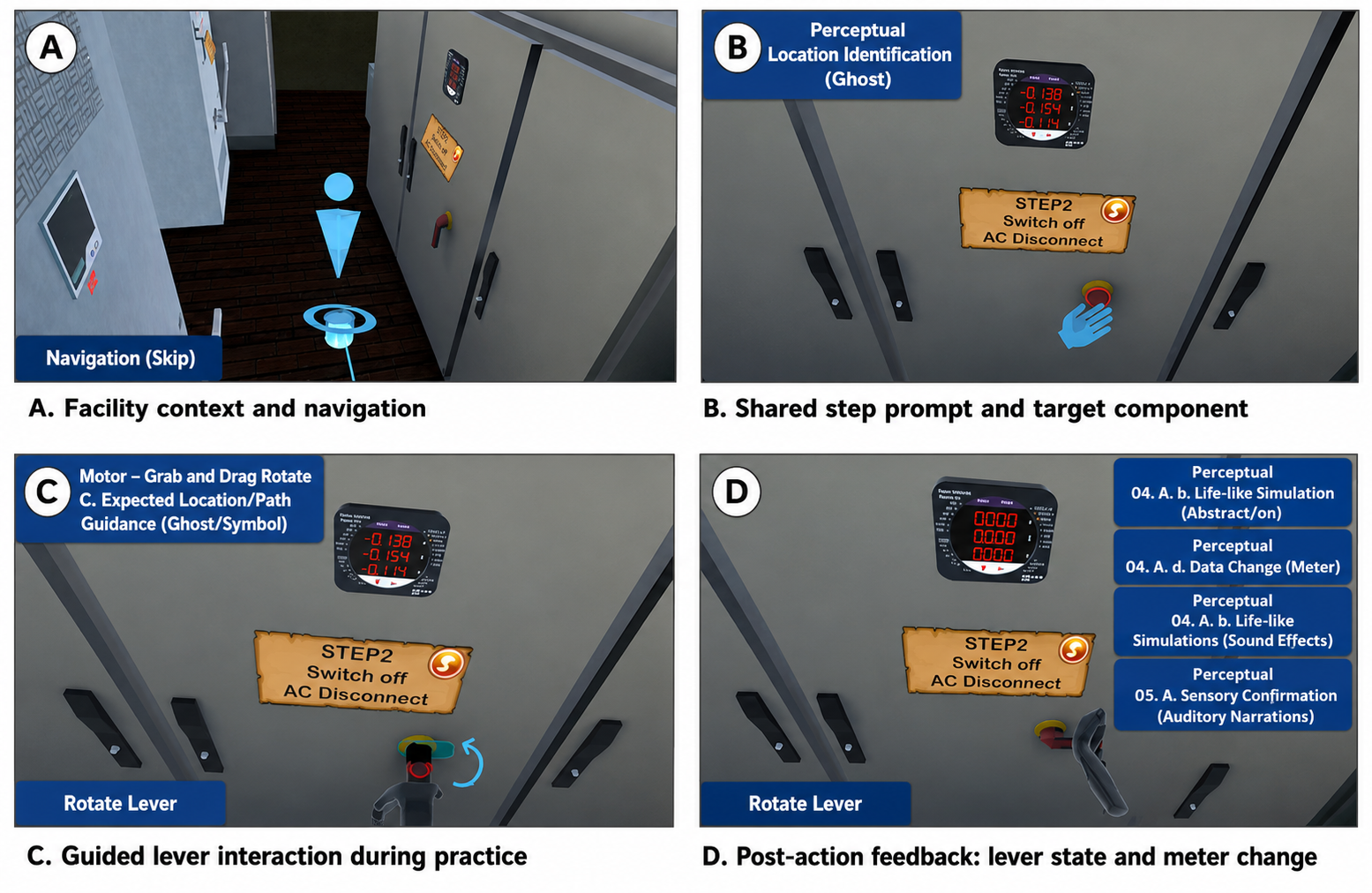
A research framework
My augmented-information taxonomy organizes spatial support across preparation, guidance, and feedback. A policy-based framework then selects representations according to the task objective, learning phase, and user proficiency.
Selected publications
X. Wang and J. I. Messner
X. Wang, J. I. Messner, and R. M. Leicht
X. Wang and J. I. Messner
X. Wang, J. I. Messner, R. M. Leicht, and A. Mackey
Teaching
I design learning experiences that connect representations with project conditions and practical decisions. Students compare alternatives, explain their choices, test ideas, and receive feedback that supports increasing independence.
Trajectory
Assistant Professor, Construction Management
Doctoral researcher, Penn State
Workforce Training Development Specialist
Structural engineering and BIM practice